
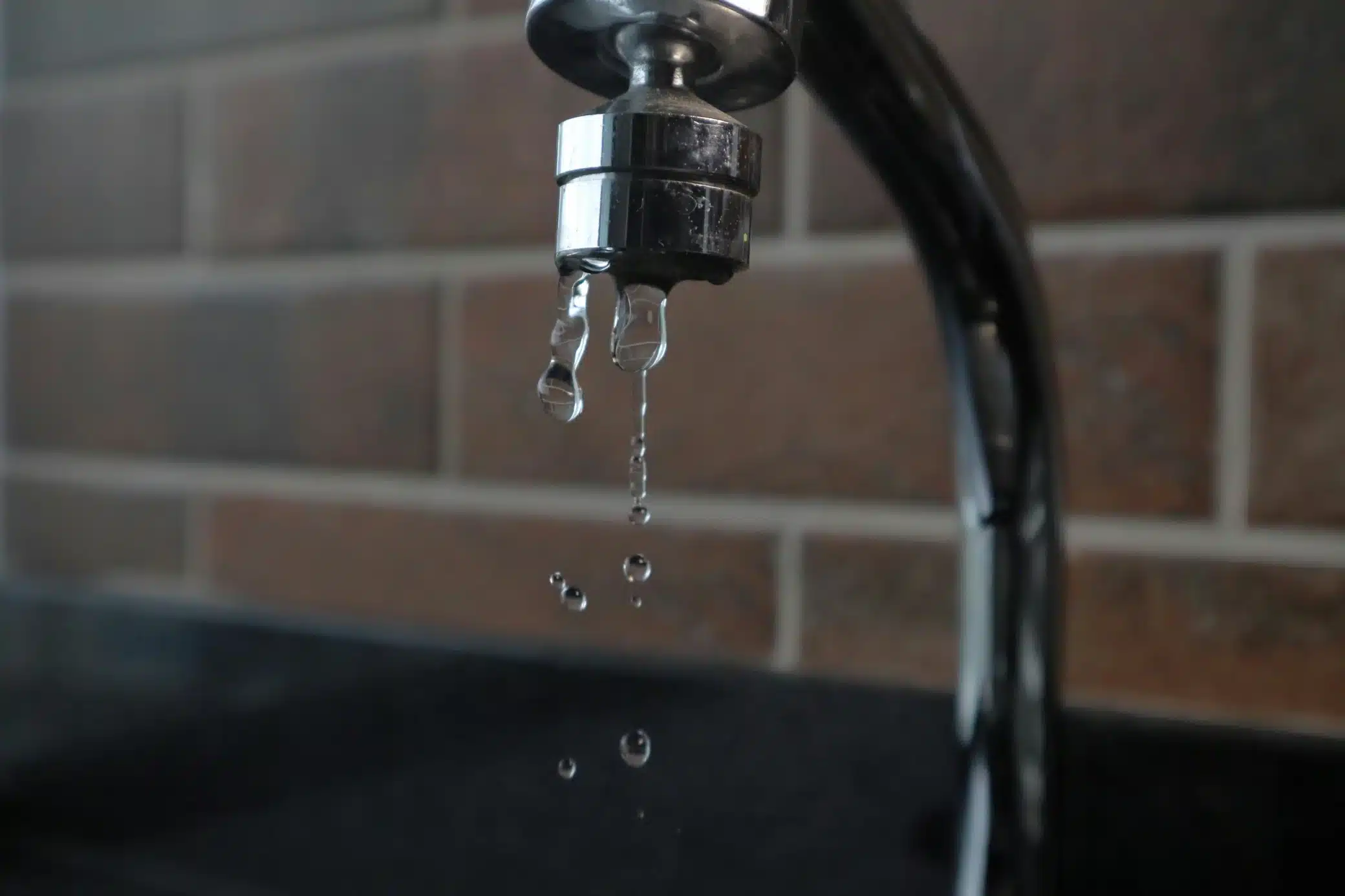
A leaky faucet might not seem like a plumbing emergency, but ignoring it could eventually lead to one. A leaking faucet causes water waste and potential damage to materials around the faucet. Instead of ignoring it and facing higher costs later on, here’s why you should deal with faucet leaks today.
1. Leaky Faucets Mean Higher Water Bills
Whether your faucet has a slow drip or is leaking around taps or connections, even a small amount of water can really add up over time. A leak of just one drip per second will waste 1,661 gallons of water per year.
You could see this reflected in your monthly water bills. Take the time to compare your current bills against those from other years. While there are many factors that can change your total costs, an unexplained increase can mean unseen leaks.
2. There Could Be Further Damage
A leaky faucet is often a symptom of more serious problems. Internal components like washers, seals, and valves may be wearing out. A simple drip could escalate over time, potentially leading to sudden failure and water damage to your home.
Does a Leaky Faucet Need to Be Replaced?
A leaky faucet doesn’t always need complete replacement. Faucet repair is often possible, whether by adjusting connections or replacing individual components. However, if repair costs are going to be close to that of a new fixture, then replacement may be the better choice.
3. Ongoing Leaks Can Stain or Damage Fixtures
The constant drip from a leaky faucet isn’t as harmless as it looks. Every drip leaves behind mineral deposits on the faucet, sink, and surrounding hardware. If your home has hard water, then a chalky buildup can quickly accumulate.
This leaves your sink and hardware looking dingy and older than they actually are. Water collecting around the base can also damage caulking and other materials. Keeping up with spring plumbing maintenance is a good way to catch any of these potential issues early.
4. Moisture Leads to Mold Growth
A leaky faucet also poses the risk of mold in surrounding areas. If moisture makes its way into enclosed sink spaces and cabinets where ventilation is limited, then it can quickly accumulate. These damp, dark conditions are perfect for mold and mildew growth. From there, they can spread to drywall and wood and make the problem worse.
What Should I Do if There’s Mold Under My Sink?
If you notice mold under your sink, you should call a plumber to deal with the root cause of the moisture intrusion. This could be a leaky faucet or other plumbing issues. While you might be able to clean or replace materials, extensive mold growth is best left to professional remediation.
Find the Right Solution for Your Leaky Faucets
Putting off dealing with leaky faucets leaves you at risk of higher water bills and increased long-term repair costs. Instead, leave everything to the team at Holloway Plumbing. We can provide effective faucet repair or replacement to safeguard your home. Schedule service today to find out more about your options.