
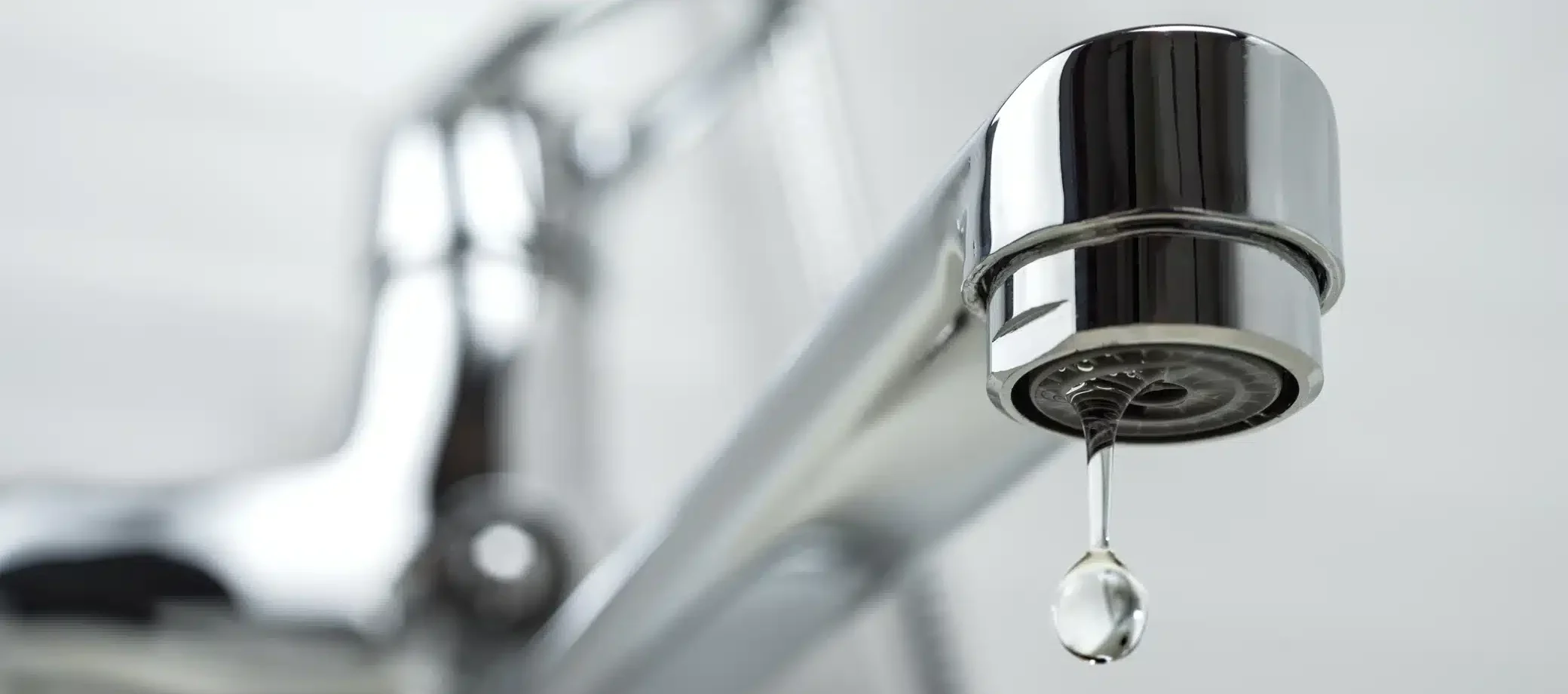
While there are many reasons you might have low water pressure, the change in pressure usually results from a defect in the line.
While you’ll need a plumber to diagnose the location and cause of the problem, it can help to understand why plumbing problems affect water pressure. This guide explores these common reasons for water line repair.
Leaks Divert the Flow of Water
You’ll lose water pressure when a lower volume of water is making its way to your faucet. This often results from a leak in the line. Your plumbing company will use a variety of methods to find leaks. They may use acoustic listening technology, thermal imaging sensors, and smoke testing to determine your need for water line repair.
What Are the Signs of a Leaky Pipe?
Even when you can’t see hidden water lines, you may still be able to observe the signs of a leak. Water stains, mold growth, and low water pressure all indicate a leak. You might also hear the sound of running water or gurgling noises coming from your walls.
Your plumber can provide professional leak detection that will pinpoint the exact location of the leak. From there, you can determine the best repair method to seal the leak.
Mineral Buildup Restricts Water Flow
Over time, hard water will leave mineral deposits on the inner lining of your water delivery pipes. As more hard water travels through your system, that sediment will accumulate and leave a thicker residue behind. Less water will be able to travel through the narrower space.
Your plumber will provide water line repair to remove that sediment and inspect for corrosion.
What Causes Hard Water?
Hard water contains high concentrations of calcium, magnesium, and other minerals. When the water passes through limestone, chalk, or other types of soil and rock, it picks up these minerals.
This hard water can corrode your pipes, leave a soapy residue on dishes and clothes, and clog your faucets. It also has a bitter or salty taste. Repairing water lines and treating hard water can restore your water’s quality in addition to resolving pressure changes.
Faulty Pressure Regulators Affect the Flow of Water
If you’re concerned about water flow, ask your plumber to perform water pressure testing. This will help them determine whether your pressure is too high or too low. They’ll also inspect the pressure regulator to ensure it’s functioning properly.
Since a faulty regulator can cause pressure changes, replacing it can prevent the need for future water line repair services. Installing a new regulator will keep the pressure from building up and damaging your pipes.
By working closely with your plumber, you can make sure the new regulator has an ideal setting to meet your needs without risking unnecessary line damage.
Rely on the Pros to Solve Your Plumbing Mystery
When you work with Holloway Plumbing, we’ll diagnose the cause of your water pressure changes. We use high-quality replacement parts and proven repair techniques to restore proper water flow. If you’ve noticed a change in your home’s water pressure, contact us to schedule immediate service.